Yaroslavl State Medical University (YSMU) 2026-27
Quick answer: Yaroslavl State Medical University (YSMU) is a government medical university in Yaroslavl, Russia, founded in 1944, roughly 250 km from Moscow. It offers a 6-year English-medium MBBS (5 years of study plus 1 year of internship). For 2026-27, tuition is ₽3,95,000 per year (≈ ₹4.49 lakh), and the listed university charges for all 6 years come to about ₽31.68 lakh (≈ ₹36 lakh). NEET qualification is mandatory for Indian students.
Quick Decision Snapshot: Is Yaroslavl State Medical University Right for You?
| Parameter | Details |
|---|---|
| University | Yaroslavl State Medical University (YSMU) |
| Former names | Yaroslavl State Medical Institute (1944–1994), Yaroslavl State Medical Academy (1994–2014) |
| Established | 1944 |
| Location | Yaroslavl, Yaroslavl Oblast, Russia (~250 km north-east of Moscow) |
| University Type | State (Government) Medical University |
| Course | MBBS (MD Physician Programme) |
| Duration | 6 Years (5 years academic + 1 year internship) |
| Medium of Instruction | English |
| Tuition Fee (2026-27) | ₽3,95,000 / year (≈ ₹4.49 lakh) |
| Hostel Fee (2026-27) | ₽1,20,000 / year (≈ ₹1.36 lakh) |
| Total university charges, 6 years | ≈ ₽31.68 lakh (≈ ₹36 lakh), |
| Indian Mess Facility | Yes |
| NEET Required | Yes, mandatory |
| Intake | September (application opens after NEET results) |
| Recognition | NMC-listed pathway (India), WHO-linked listing, WDOMS |
| Weather | Continental: cold winters (cold spells to about −20°C), mild summers (about +20 to +25°C) |
| Foreign Students Enrolled | 2000+ |
| Indian Students Enrolled | 800+ |
| Admission Session | 2026-27 |
INR figures are approximate conversions at ₹1.136 per ₽ (1 INR = 0.88 RUB, as on 29 September 2026). Confirm the live rate before paying.
Quick take: YSMU tends to suit students who want a smaller, closer-knit international student body rather than a large-university feel, and who are comfortable with a genuinely cold climate in exchange for a historic, culturally rich city a few hours from Moscow.
Yaroslavl State Medical University Fees 2026-27 (in ₹ and ₽)
Fee figures below are based on the current PSP Education fee sheet for the 2026-27 session. RUB (₽) is the currency the university uses. INR figures are approximate conversions at ₹1.136 per ₽ (1 INR = 0.88 RUB, as on 29 September 2026), because the exchange rate moves regularly. Always confirm the live conversion and the final fee at the time of admission.
Year-wise University Fee Table (2026-27)
| Year | Tuition (₽) | Hostel (₽) | Medical (₽) | Insurance (₽) | Visa/Other (₽) | Approx. Total (₽) | Approx. Total (₹) |
|---|---|---|---|---|---|---|---|
| 1st Year | 3,95,000 | 1,20,000 | 8,000 | 7,500 | 25,000 | ~5,55,500 | ~₹6.31 lakh |
| 2nd Year | 3,95,000 | 1,20,000 | — | 7,500 | Actuals | ~5,22,500 + actuals | ~₹5.94 lakh + actuals |
| 3rd Year | 3,95,000 | 1,20,000 | — | 7,500 | Actuals | ~5,22,500 + actuals | ~₹5.94 lakh + actuals |
| 4th Year | 3,95,000 | 1,20,000 | — | 7,500 | Actuals | ~5,22,500 + actuals | ~₹5.94 lakh + actuals |
| 5th Year | 3,95,000 | 1,20,000 | — | 7,500 | Actuals | ~5,22,500 + actuals | ~₹5.94 lakh + actuals |
| 6th Year | 3,95,000 | 1,20,000 | — | 7,500 | Actuals | ~5,22,500 + actuals | ~₹5.94 lakh + actuals |
| 6-Year Total | ~₽31,68,000 | ~₹36 lakh |
What Each Fee Covers
- University Tuition: ₽3,95,000/year, the core academic fee charged directly by YSMU.
- Hostel: ₽1,20,000/year, for on-campus accommodation.
- Medical Charges: a one-time ₽8,000 in the first year, typically covering initial medical formalities.
- Insurance: ₽7,500/year, mandatory health insurance coverage.
- Visa/Other Mandatory Charges: ₽25,000 in the first year. From year two onward, visa extension costs are billed on actuals since embassy fees can change.
The table above shows university charges only.
Important: Fees are subject to revision by the university and by Russian regulatory changes. Always verify the final, current fee structure with your PSP Education counsellor before making any payment.
Scholarship & Financial Planning
As of now, there is no confirmed YSMU-specific scholarship programme that PSP Education can verify for the 2026-27 session. Rather than speculate, we recommend asking your counsellor directly if anything changes for your intake.
What we can help with is practical financial planning. Most Indian banks extend education loans for MBBS abroad at NMC-linked, WDOMS-listed universities, and a clear, itemised fee structure like the one above makes loan documentation considerably easier. Because of currency fluctuation between RUB and INR, budget with a reasonable buffer rather than planning to the exact rupee.
About Yaroslavl State Medical University: A Legacy Since 1944
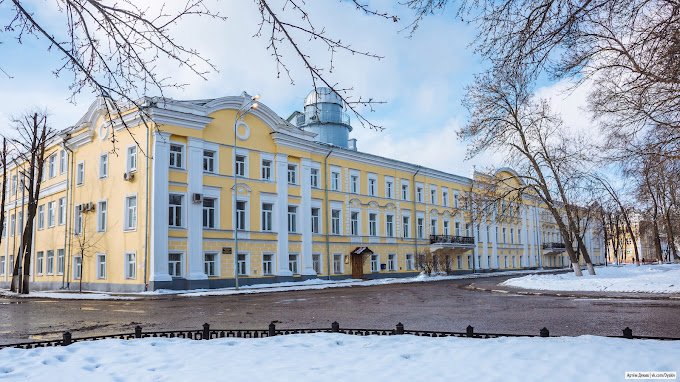
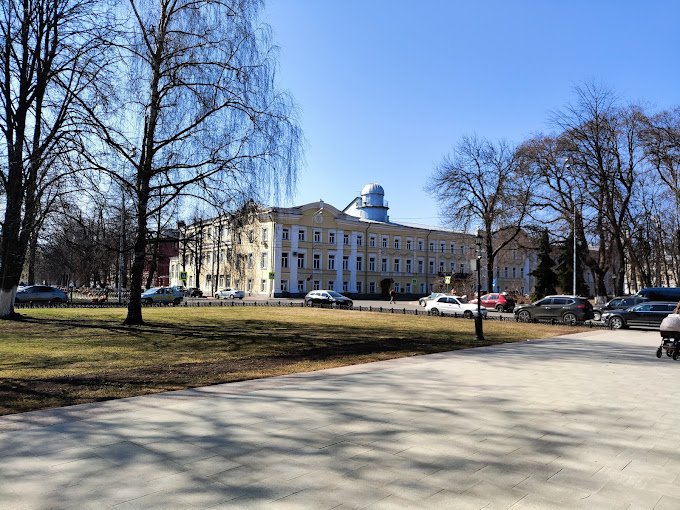
Founded in 1944, Yaroslavl State Medical University is one of the older and more established medical universities in Russia. It began as a medical institute, became an academy in 1994 and has held university status since 2014. It is located in the culturally rich city of Yaroslavl, about 250 km from Moscow, and has produced generations of doctors, many of whom now work across different countries.
The university operates under the Russian Federation's Ministry of Health and is:
- Positioned within India's NMC recognition framework for foreign medical education (verify current status directly with NMC before applying)
- Linked to WHO's global medical education records
- Listed in the World Directory of Medical Schools (WDOMS)
- Structured for international medical education, with a dedicated English-medium MBBS track for foreign students, not an add-on to a Russian-language course
Rankings: ranking positions differ by list and year, so treat any single number with caution. For Indian students, NMC listing and WDOMS presence matter far more than a ranking position, because they decide whether you can sit the licensing exam in India. [[Optional: add one ranking with source and year]]
Russia has become one of the most preferred destinations for students who want to study medicine abroad, thanks to comparatively affordable tuition, internationally structured degree pathways and steadily modernizing infrastructure. Among the established institutions, YSMU stands out for its academic history and clinical training approach. For the wider picture, see our main guide on MBBS in Russia.
Yaroslavl State Medical University Distance from Moscow
Yaroslavl is about 250 km north-east of Moscow. Most students reach it from Moscow's airports via the city, then take a train to Yaroslavl, which takes roughly 3.5 to 4 hours [[verify current timetable]]. Buses and road transfers are also available, and PSP Education arranges airport pickup for students on arrival.
Why this matters: Moscow gives you international flight connections and easier holiday travel, while Yaroslavl gives you a much lower cost of living than a Moscow-based university.
Recognition & the India Licensing Pathway
It is worth being precise here rather than making sweeping claims. YSMU's MBBS programme is structured within India's National Medical Commission (NMC) framework for foreign medical education, and the university is listed in the World Directory of Medical Schools (WDOMS), a prerequisite for NMC eligibility. It is also linked to WHO's global medical education records.
In practice, graduates are eligible to appear for India's licensing screening exam for foreign medical graduates, provided they meet the applicable NMC requirements in force at the time of graduation. Recognition status and licensing rules can be revised by regulators, so verify them independently through the NMC website and WDOMS closer to your admission and again closer to graduation.
Why Yaroslavl State Medical University May Suit Indian Students
For Indian students aiming for a career in medicine, MBBS at YSMU is one of the more practical choices among Russia's medical universities. With English-medium teaching, a state-university structure and decades of institutional history, it offers a fairly predictable, well-documented pathway, which matters when you are planning six years of your life around it.
- An established institution, not a new entrant. An 80-year history means the university's processes, faculty structure and hospital affiliations are well settled.
- A smaller international cohort. With around 500+ foreign students and 200+ Indian students, YSMU offers a more personal environment than some larger Russian medical universities, which some students genuinely prefer.
- Proximity to Moscow. At roughly 250 km, Yaroslavl is close enough for easier travel connections, without Moscow's cost of living.
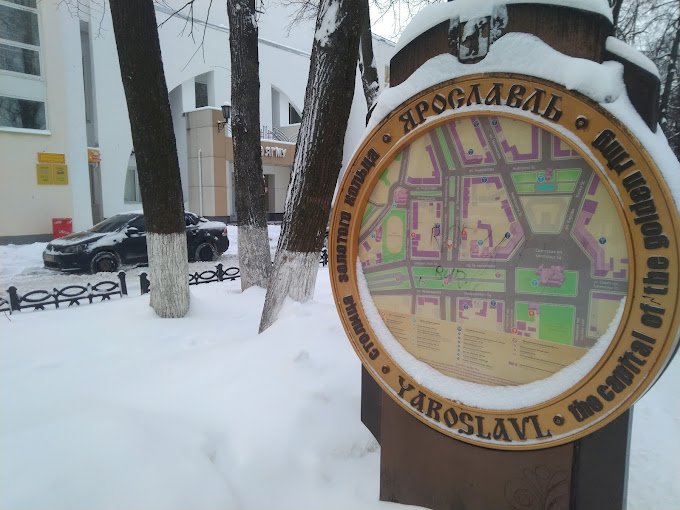
- A UNESCO World Heritage city. Yaroslavl's old-town character offers a different day-to-day environment compared with purely industrial university towns.
What Makes YSMU Different from Other Russian Medical Universities
Most NMC-linked Russian medical universities offer broadly similar degree structures, so the real differences come down to scale, city and cost. For YSMU specifically:
- Smaller class sizes than some larger Russian medical universities, which can mean more direct faculty interaction
- A genuinely historic campus city, and Yaroslavl is a UNESCO World Heritage city, which is not true of most other Russian university towns
- Closer to Moscow than many other Russian medical university cities, which helps with flights and holiday travel
- A well-established Indian mess and hostel system, rather than something recently introduced
What You Should Know Before Choosing YSMU
Before committing six years and a meaningful financial investment, it is worth being upfront about a few things:
- Winters in Yaroslavl are genuinely cold, and adjusting takes real time if you have never experienced sustained sub-zero weather.
- Russian language, while not required for coursework, becomes practically useful once clinical postings begin, since not every patient or hospital staff member communicates in English.
- With a smaller Indian student community than some larger Russian universities, students who strongly prefer a large, familiar peer group should factor that in.
- Currency fluctuation between RUB and INR means your actual rupee outflow each year can shift from your initial budget.
None of this makes YSMU a poor choice. It just means going in with realistic expectations rather than only the highlight reel.
Why Choose Yaroslavl State Medical University?
1. Affordable tuition with no donation charges. Studying MBBS at YSMU is considerably more economical than most private Indian medical colleges. There are no donation fees or hidden charges in admission, and the fee structure is itemised, which is exactly what parents look for when comparing options.
2. Structured toward NMC requirements. The MBBS curriculum is built with India's NMC requirements in mind and prepares students for the FMGE pathway from the early years. Students remain responsible for their own exam preparation. The curriculum builds the foundation, but consistent individual study closer to graduation determines exam readiness.
3. English-medium education. The entire 6-year programme is taught in English, so international students are not held back by a language barrier in coursework, even though some day-to-day and clinical interactions benefit from basic Russian.
4. Clinical exposure from 3rd year. Students begin clinical training in YSMU's affiliated hospitals from the third year onward. Patient interaction, rotations and structured hospital exposure build practical skills well before internship.
5. Experienced faculty and ongoing research. With several hundred academic staff, including many with doctoral qualifications, students get structured teaching and exposure to ongoing research and case discussions.
6. Safe and multicultural campus. Yaroslavl is generally regarded as a safe, student-friendly city, and the university hosts students from a range of countries.
Eligibility Criteria for Yaroslavl State Medical University
Current NMC-linked requirements:
- Completed 10+2 with Physics, Chemistry and Biology
- Minimum 50% aggregate in PCB (typically 40% for reserved categories, subject to current NMC guidelines)
- NEET qualification, mandatory for all Indian students seeking MBBS abroad
- Minimum age of 17 years by 31st December of the admission year
Is there a separate entrance exam? Indian students must qualify NEET. Admission is generally based on your academic documents and NEET eligibility rather than a separate university entrance test. Confirm this at the time of application, as processes can change.
Eligibility norms are set by India's NMC and can be revised. Always check the current requirement for your admission year rather than relying on a percentage from a previous cycle. See our detailed NEET Eligibility Guide for category-wise clarifications.
Can a third-year student transfer to YSMU? NMC's rules for foreign medical graduates generally expect the full course to be completed at one institution, so transfers are usually not straightforward. If you are considering a transfer, speak to a counsellor before taking any step.
Documents Required
University-stage documents
- 10th and 12th mark sheets
- NEET scorecard
- Passport
- Passport-size photographs
- Birth certificate
- Medical certificate/documents as required
Visa-stage documents
- Official invitation letter from YSMU
- Admission letter
- Additional documentation as specified by the Russian consulate at the time of application
YSMU Admission Process 2026-27: Step by Step
- Enquiry: reach out to PSP Education with your NEET score and academic background.
- Eligibility check: confirm you meet YSMU's current admission requirements.
- Document submission: submit academic documents, passport and NEET scorecard.
- University application: your application is coordinated directly with YSMU.
- Admission decision/letter: receive your official admission letter from YSMU.
- Invitation letter: issued for your visa application.
- Visa processing: apply for your Russian student visa with guidance support.
- Travel arrangements: plan your flight and pre-departure checklist.
- Arrival: airport pickup and transfer to hostel.
- Registration: complete local registration formalities.
- Hostel check-in: settle into your accommodation.
- Classes begin: start your academic year.
Throughout this process, PSP Education's role is largely about keeping each step accurate and on schedule: flagging missing documents early, keeping you updated on visa timelines and making sure nothing gets lost in translation between you and the university.
Admission Timeline for 2026-27 (Approximate)
| Stage | Approximate Timing |
|---|---|
| Application window | Opens after NEET results are declared |
| Document verification | Rolling, on submission |
| Admission letter | 2–4 weeks after document clearance |
| Visa processing | 3–6 weeks, embassy-dependent |
| Travel & orientation | Shortly before the academic session begins (September intake) |
Exact deadlines vary by intake and are best confirmed with your counsellor rather than assumed from a general timeline.
MBBS Syllabus and Programme Structure at YSMU
The MBBS programme follows a 6-year format:
- Years 1–3: pre-clinical and para-clinical foundations, alongside laboratory work
- Years 4–6: clinical subjects with hospital-based learning, patient interaction and structured clinical rotations, closing with a one-year internship
| Year | Indicative subjects |
|---|---|
| 1st Year | Human Anatomy, Histology, Medical Biology, Medical Chemistry, Latin, Introduction to Medicine |
| 2nd Year | Biochemistry, Microbiology, Human Physiology, Cell Biology, General Pathology, Immunology |
| 3rd Year | Pathology, Pharmacology, Pathophysiology, Medical Genetics, Community Medicine, Epidemiology |
| 4th Year | General Surgery, Internal Medicine, Obstetrics & Gynaecology, Pediatrics, Radiology, Forensic Medicine |
| 5th Year | Advanced Internal Medicine, Psychiatry, Ophthalmology, Orthopaedics, Neurology, Dermatology |
| 6th Year | Clinical training, hospital internship, research project, emergency medicine, clinical case studies |
The subject list is indicative. The university sets the final curriculum and it can be revised.
After the 6-year programme, students can return to India and appear for the FMGE pathway, or explore postgraduate options abroad, subject to the eligibility requirements at that time.
Academic Curriculum and Training
The curriculum combines theoretical grounding with hands-on training:
- Basic sciences such as Anatomy, Physiology and Biochemistry
- Clinical subjects such as Medicine, Surgery, Pediatrics and Gynecology
- Laboratory training and simulation-based learning
- Clinical rotations in affiliated hospitals
- Research work and academic seminars
Clinical Training & Academic Environment
Clinical exposure at YSMU begins from the third year, earlier than programmes that delay hospital contact until much later. Students rotate through affiliated hospitals for direct patient interaction, assist in structured clinical settings and build toward the mandatory one-year internship that closes the programme.
This early exposure matters for two reasons. It makes the transition into full clinical responsibility during internship less abrupt, and it gives students a first-hand sense of whether medicine as a daily profession matches what they expected.
Campus & Student Facilities
YSMU's academic infrastructure includes laboratories, an anatomy museum, digital classrooms and simulation centres designed to make theoretical learning more interactive before students move into live clinical settings. Library resources support both coursework and later exam preparation, including FMGE revision in the senior years.
Hostel, Indian Food & Daily Life in Yaroslavl
Student Hostels
The university offers separate hostel buildings for boys and girls. Hostel rooms are:
- Fully furnished with beds, study tables, heaters and Wi-Fi
- Located within walking distance of the university
- Heated for Yaroslavl's cold winters
Indian Mess & Food
Hostels are equipped with Indian mess facilities offering both vegetarian and non-vegetarian meals, which matters a lot in the first year when most students are not yet cooking for themselves. Local Indian grocery stores are also accessible in the city for students who prefer preparing some of their own meals.
Daily Living
Day-to-day life in Yaroslavl includes local transport, groceries, mobile and internet connectivity, all of which are easy to access for students used to city life in India.
Life in Yaroslavl
Yaroslavl is a UNESCO World Heritage city with genuine historical character: old-town architecture, riverside views along the Volga, and a noticeably different feel from more industrial Russian university towns. For Indian students, daily life includes:
- Local Indian restaurants and grocery stores
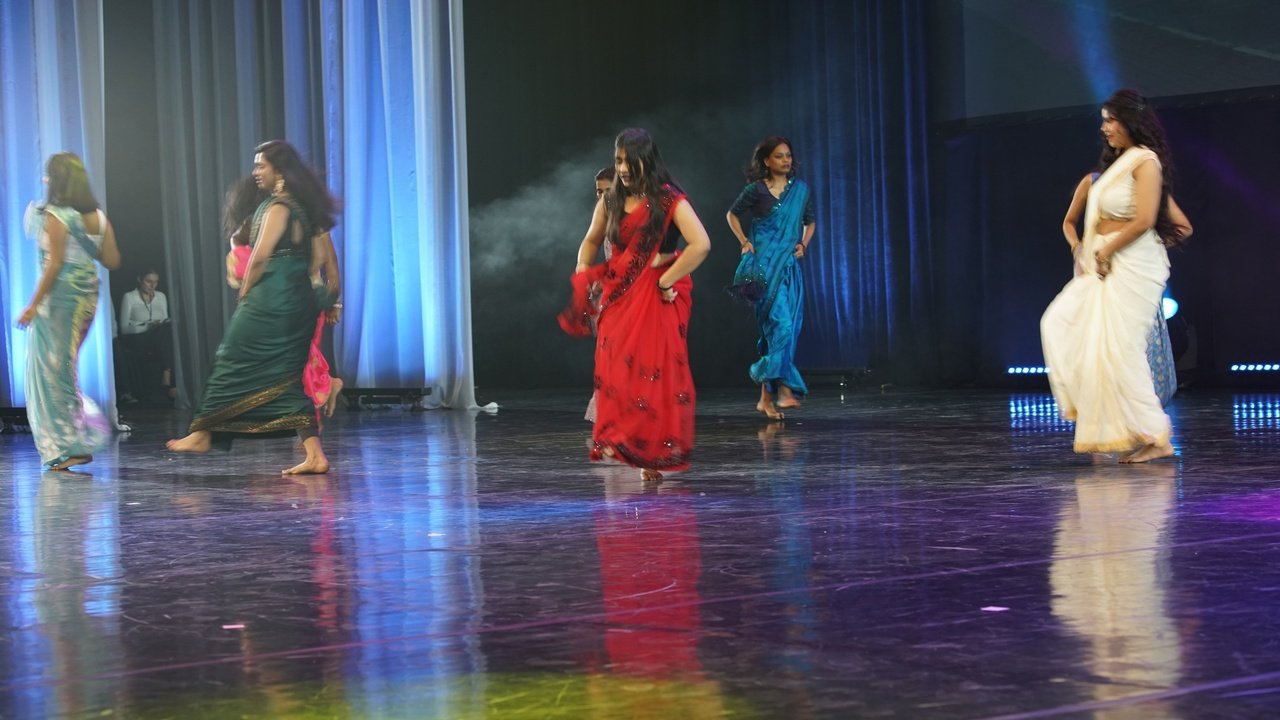
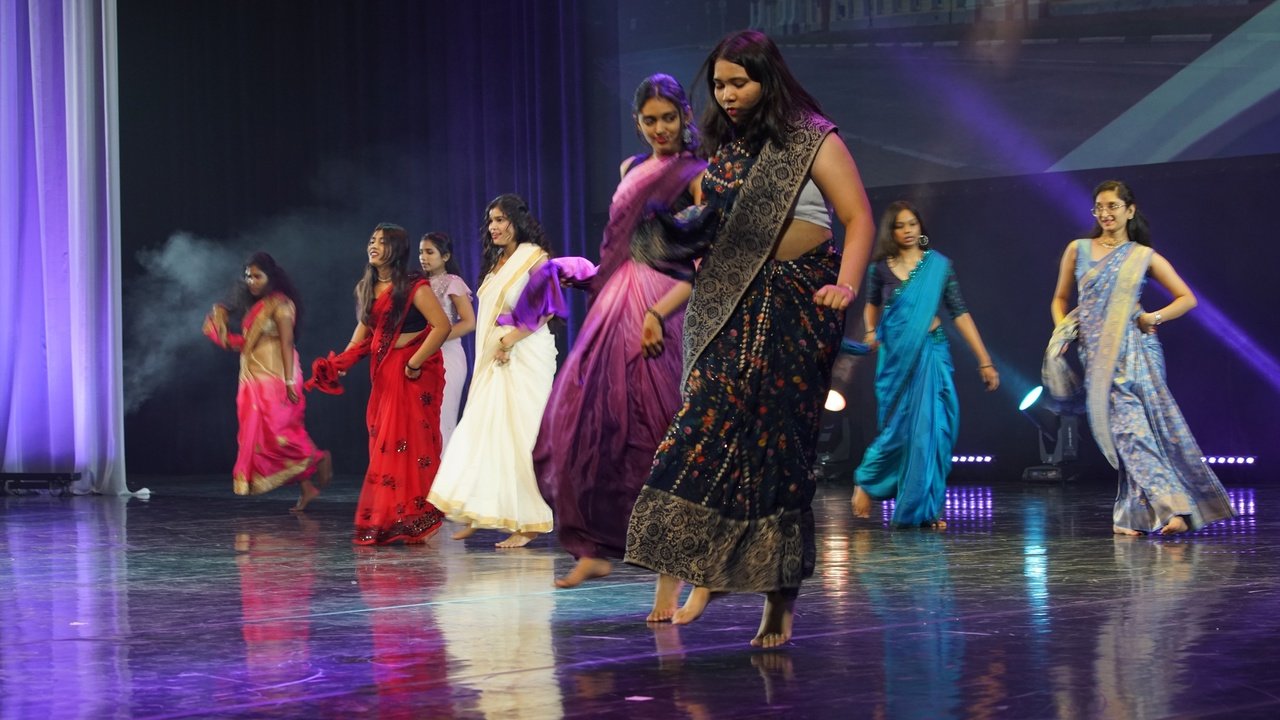
- Diwali, Holi and other Indian festivals celebrated on campus
- On-site coordinators and local support groups for day-to-day assistance
- Reasonably reliable public transport and internet connectivity for students used to city life in India
Weather & Climate in Yaroslavl
Yaroslavl has a continental climate. Winters are long and cold, with cold spells that can drop to around −20°C or below, and summers are generally mild, about +20 to +25°C. For most Indian students, this is the single biggest adjustment in the first few months. A few practical notes:
- Invest in genuine winter clothing (thermal layers, insulated jackets, proper snow boots) rather than assuming Indian winter wear will be enough.
- Hostel heating is generally reliable, so indoor life stays manageable even when it is well below freezing outside.
- Give yourself time. Most students say the first winter is the hardest, and it gets easier each year.
Safety for Indian Students
Yaroslavl is generally considered a safe, student-friendly city, and the hostels include standard security measures. "Safe" does not mean risk-free anywhere in the world, so it is worth approaching the topic practically:
- Save university and local emergency contacts before you land.
- Stay in touch with the on-site coordinators and Indian student groups. They are often the fastest source of help for day-to-day issues.
- Female students should talk openly with their PSP Education counsellor about hostel arrangements, local norms and support channels before departure.
- Parents should have a direct contact, both at the university and at PSP Education, rather than relying only on informal updates from their child.
Indian Student Experience
With 200+ Indian students in YSMU's international cohort, there is an established, if smaller-scale, support system: seniors who have been through the same adjustment, festival celebrations on campus, and local coordinators who understand the challenges Indian students face in their first few months. This is smaller than at some larger Russian medical universities, which is worth weighing against the more personal, closer-knit environment a smaller cohort offers.
FMGE / NExT: The Licensing Pathway After YSMU
As of the 2026-27 admission cycle, the operative exam for foreign medical graduates returning to India is the FMGE, conducted by the National Board of Examinations in Medical Sciences (NBEMS). The National Exit Test (NExT) is expected to eventually replace it, but the NMC's own draft regulations have kept FMGE in place until NExT is actually brought into force, and the exact timeline is still evolving. NBEMS is also now holding FMGE more than twice a year. Students joining this year should prepare with FMGE as the current benchmark while tracking official NMC and NBEMS updates on the NExT transition. [[Re-verify on the day you publish]]
We do not publish an FMGE pass percentage for YSMU specifically, because individual outcomes depend heavily on each student's own preparation, and any fixed number would be more marketing than fact. See our NExT/FMGE Guide for the latest.
Career After Graduation
Graduates from YSMU have a genuine, though not automatic, range of career pathways:
- Practising in India after clearing FMGE (or NExT once it applies)
- Applying for USMLE (USA) or PLAB (UK), subject to each country's eligibility requirements
- Pursuing MD/MS-equivalent postgraduate study abroad or in India (via NEET-PG)
- Working with global healthcare organisations, WHO-linked projects or international hospitals, where eligible
Each pathway has its own exam, application process and eligibility criteria. None is automatic just by holding an MBBS degree from YSMU, so research your target pathway well before graduation.
Advantages & Things to Consider
Advantages
- Transparent, itemised fee structure with no donation charges
- English-medium teaching throughout the 6-year programme
- Early clinical exposure starting in the third year
- Historic, UNESCO-heritage city setting relatively close to Moscow
- Established Indian mess and hostel system
Things to consider
- Cold winters that take real adjustment time
- A smaller Indian student community than some larger Russian universities
- Some reliance on basic Russian for clinical-stage communication
- Currency fluctuation affecting the exact rupee cost year to year
- Distance from India, which means planning travel and communication carefully, especially in the first year
Parent's Guide
Parents have their own questions, separate from what students ask. A few practical answers:
- Is Yaroslavl suitable for students? It is a smaller, historic city with an established, if modest, Indian student presence, generally considered manageable for a first-time study-abroad experience.
- How can parents stay in contact? Regular calls and video, plus a direct line to PSP Education's support team for anything that needs quicker attention.
- What happens during emergencies? The university's international student office and PSP Education's on-ground support are both available. Save these contacts before departure.
- What should parents plan for? Beyond the university fee structure, plan separately for winter clothing (a real one-time need in year one) and periodic travel.
Travel & Arrival Guide
Before you fly to Russia
- Original documents (passport, visa, admission and invitation letters, medical certificates) in hand luggage
- Digital backups of every document in cloud storage
- Genuine winter clothing, even if you travel in a warmer season
- Any prescription medicines, with a doctor's note
- A small amount of currency for immediate expenses on arrival
- Local SIM research done in advance
- Important contacts (university helpdesk, PSP Education counsellor, local coordinators) saved before departure
Arrival in Yaroslavl
Students are typically received at the airport and transferred to the hostel for check-in, followed by university registration and orientation in the first few days. This is usually when the paperwork feels heaviest. Expect it, and know that it is a normal part of settling in.
YSMU Compared with Other Russian Medical Universities
| Factor | Yaroslavl State Medical University | Typical other Russian medical university |
|---|---|---|
| City | Yaroslavl (UNESCO heritage city, ~250 km from Moscow) | Varies, from mid-sized cities to major metros |
| Established | 1944 | Often 1930s–1980s |
| Tuition (per year) | ₽3,95,000 (≈ ₹4.49 lakh) | ₽3,50,000 – 5,50,000 |
| Indian student body | 200+ (smaller, close-knit) | Varies significantly |
| Hostel & mess | Separate hostels, Indian mess available | Varies by university |
| Distance from Moscow | ~250 km | Varies widely |
Which One Should I Choose?
No single university is universally "better". Use this as a starting point:
- Choose YSMU if you want a smaller, closer-knit international cohort, a historic city near Moscow and a clear, itemised fee structure.
- Look at a larger-community university if you strongly prefer a big Indian peer group around you.
- Compare on cost if fee per year is your top priority, since tuition and hostel rates differ across universities.
Similar Universities Worth Exploring
If you are still comparing options, see our guides on Altai State Medical University, Chita State Medical Academy, Ulyanovsk State University and Kirov State Medical University. You can also browse Other Russian Medical Universities for the full list.
Apply Through PSP Education: Your Official Admission Route to YSMU
Information online varies a lot depending on which agent or website you read. That is why this section exists.
PSP Education works as an authorized admission support partner for Yaroslavl State Medical University for Indian students, coordinating directly with the university rather than routing your application through multiple layers of sub-agents. In practice:
- Direct university coordination, so information on seats, fees and documentation comes from a verified source
- Admission guidance tailored to your NEET score and academic background
- Document verification before submission, to catch errors early
- Admission letter and invitation letter support
- Russian student visa guidance
- Pre-departure assistance covering travel, banking and packing
- Airport pickup and hostel guidance on arrival
- Parent counselling and student support after arrival
Fewer intermediaries generally means fewer errors in fee quotes, document requirements and timelines.
To be clear: no admission partner can promise a guaranteed admission, a guaranteed visa or a guaranteed exam outcome. What PSP Education offers is accurate guidance, verified coordination and consistent support from your first enquiry to your first day on campus.
Get a free counselling session on WhatsApp ·
Frequently Asked Questions About Yaroslavl State Medical University
1. What is the total MBBS fee at Yaroslavl State Medical University in Indian rupees?
Tuition is ₽3,95,000 per year (about ₹4.49 lakh at ₹1.136 per ₽, as on 29 September 2026). Listed university charges for all 6 years, including hostel, insurance, medical and first-year visa charges, total about ₽31.68 lakh (about ₹36 lakh). Confirm the live rate and final fee before paying.
2. What is the tuition fee at YSMU for 2026-27?
₽3,95,000 per year, with hostel, medical, insurance and visa-related charges listed separately in the fee table.
3. Is Yaroslavl State Medical University NMC-approved?
YSMU's MBBS is structured within India's NMC framework for foreign medical education and the university is listed in WDOMS. Recognition status can be revised by regulators, so verify it on the NMC website before you apply and again before graduation.
4. Is NEET mandatory for YSMU admission?
Yes. NEET qualification is compulsory for all Indian students applying for MBBS abroad.
5. Is there a separate entrance exam for YSMU?
Not for Indian students beyond NEET qualification. Admission is generally based on academic documents and NEET eligibility. Confirm at the time of application.
6. What is the eligibility criteria for YSMU?
10+2 with Physics, Chemistry and Biology, a minimum 50% aggregate in PCB (subject to current NMC category-wise norms), a qualifying NEET score, and a minimum age of 17 by 31 December of the admission year.
7. How far is Yaroslavl State Medical University from Moscow?
About 250 km north-east of Moscow, roughly 3.5 to 4 hours by train.
8. Is the MBBS course at YSMU taught in English?
Yes, the entire 6-year programme is conducted in English for international students.
9. Does YSMU offer hostel accommodation and Indian food?
Yes. Separate hostel buildings for boys and girls, fully furnished with heating and Wi-Fi, within walking distance of the university. Hostels include Indian mess facilities with vegetarian and non-vegetarian meals.
10. What is the weather like in Yaroslavl?
Continental. Winters are long and cold, with cold spells that can reach around −20°C or below, and summers are generally mild at about +20 to +25°C.
11. Is Yaroslavl safe for Indian students, including girls?
Yaroslavl is generally considered a safe, student-friendly city with hostel security measures in place. As with any study-abroad decision, staying connected with university and family support systems is advisable.
12. Can YSMU graduates practise medicine in India?
Yes, provided they meet the applicable NMC requirements at the time of graduation and clear the relevant licensing screening exam (currently FMGE, with NExT expected to eventually take its place).
13. Can a third-year student transfer to YSMU?
NMC rules generally expect the full course at one institution, so transfers are usually not straightforward. Speak to a counsellor before taking any step.
14. Does YSMU offer scholarships?
There is no confirmed YSMU-specific scholarship we can verify for 2026-27. Check with your counsellor for updates closer to your intake.
15. When does clinical training start?
Clinical exposure begins from the third year, with hospital rotations continuing through to the internship year.
16. Can Indian students get an education loan for YSMU?
Most Indian banks extend education loans for NMC-linked, WDOMS-listed universities, and an itemised fee structure makes documentation easier.
17. Is PSP Education an authorized partner for YSMU admissions?
Yes. PSP Education provides authorized admission support for YSMU, coordinating directly with the university for Indian student applications.
18. How does YSMU compare to other Russian medical universities?
It offers a smaller, English-medium, UNESCO-city environment relatively close to Moscow. Compare it with other universities on your own priorities: community size, city type and fee range.
Conclusion
Yaroslavl State Medical University is more than an academic institution. For the right student, it is a well-documented pathway into a medical career, provided the realities are factored in alongside the advantages: cold winters, a smaller student community, and the discipline that FMGE preparation demands. With English-medium teaching, an itemised and transparent fee structure, early clinical exposure and a historic, multicultural learning environment, YSMU remains a serious option for the 2026-27 session.
Ready to Take the Next Step?
- Check 2026-27 eligibility with a free counselling session
- Get the latest fee structure, verified directly from the university
- Talk to an admission expert about how YSMU fits your profile
Visit PSP Education and get expert, authorized guidance for admission to Yaroslavl State Medical University.